By Sheeva Azma
If you have a science background, know that your expertise and skills are sorely needed in the US legislative branch.
In 2008, I started my neuroscience PhD program in Washington, DC with the goal of becoming an AAAS Congressional fellow and working in Congress. Well, I never ended up completing my PhD program, and never got the chance to apply to the AAAS Fellowship (you need a PhD to do so), but I did end up working in Congress anyway – twice, actually. I was also chosen to be a Society for Neuroscience Young Advocate (now called the Early Career Policy Fellow) three times and visited my lawmakers to rally support for biomedical science.
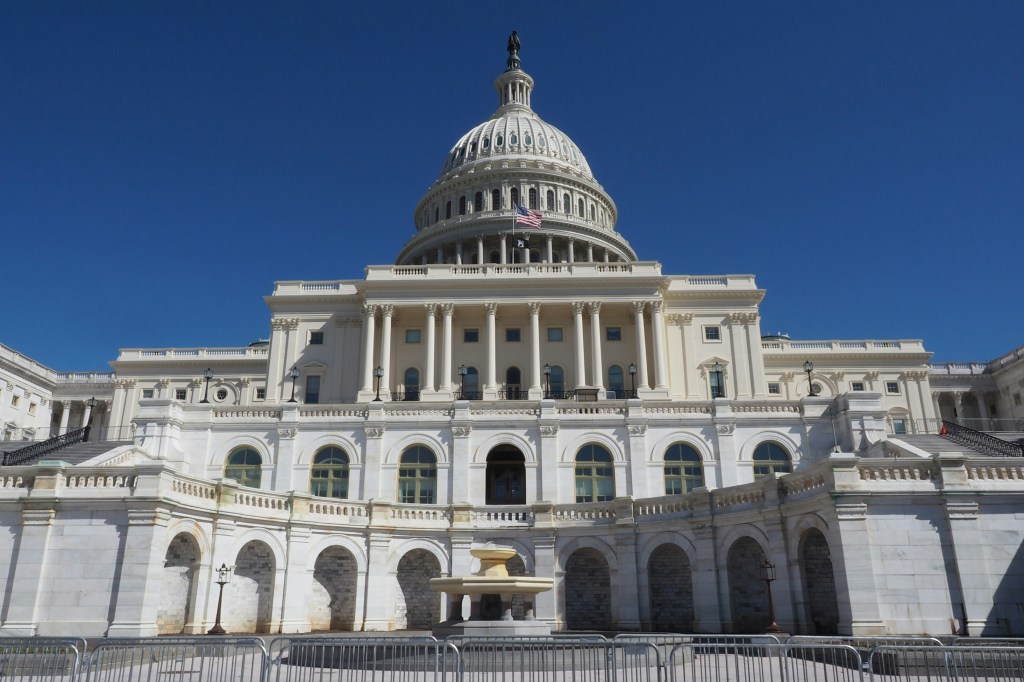
If you have a science background, know that your expertise and skills are sorely needed in our legislative branch, especially after the Supreme Court’s Chevron Doctrine decision which takes away decision-making power from the executive branch, where the vast majority of federal scientists work. This guide is meant to be a starting point to help scientists get into the legislative branch, and in doing so, improve US legislative science capacity!
You don’t need to type in your email anywhere or jump through any other hoops — just right-click here to download the document as a PDF, or skim the document below. (Also check out our guide to working on political campaigns as a scientist.)
About Fancy Comma, LLC
Fancy Comma, LLC is a science communications, marketing, and policy firm. Visit us on the web at www.fancycomma.com.
 Fancy Comma, LLC
8 thoughts on “A Scientist’s Guide to Staff Roles in the US Congress”