By Sheeva Azma
The first step to making your message heard is getting your audience’s attention.
Picture this common science communication (SciComm) woe: you are a scientist, science communicator, journalist, copywriter, speechwriter, and/or social media content creator (…the list goes on and on!). You’ve spent time thinking and researching and reflecting on your topic and have come up with the perfect message to tell your audience something they need to know to think or behave differently. While you know what you have to say would totally resonate with your audience, your message gets no views, clicks, or likes.
In short, your perfect message has failed to gain traction…which means it has failed to generate action. It’s a frustrating problem that ends up feeling like a huge waste of time.
Well, the solution is simple: you need to “hook” your audience in the first moments that you talk to them, whether that’s through words, a podcast, a video, or however else. It doesn’t have to be much — just a quick hook can suffice to grab your audience’s attention before you get to the good stuff. Whatever way you are addressing your audience — whether you are writing a scientific journal article, producing an Instagram reel, giving a speech, or publishing an op-ed in the newspaper — you could use a hook.
Journalists and others who study communications are trained to get to the point quickly in their work. Scientists are not trained that way. We are told to lay out our facts first before we get to the point in order to show that our work is rigorous.
What if you could do both?
The good news is that you can.
Keep reading to learn how to incorporate engaging, attention-grabbing hooks for science journal articles, essays, journalism, copywriting, speeches, and social media content.
What is a hook in science communication?
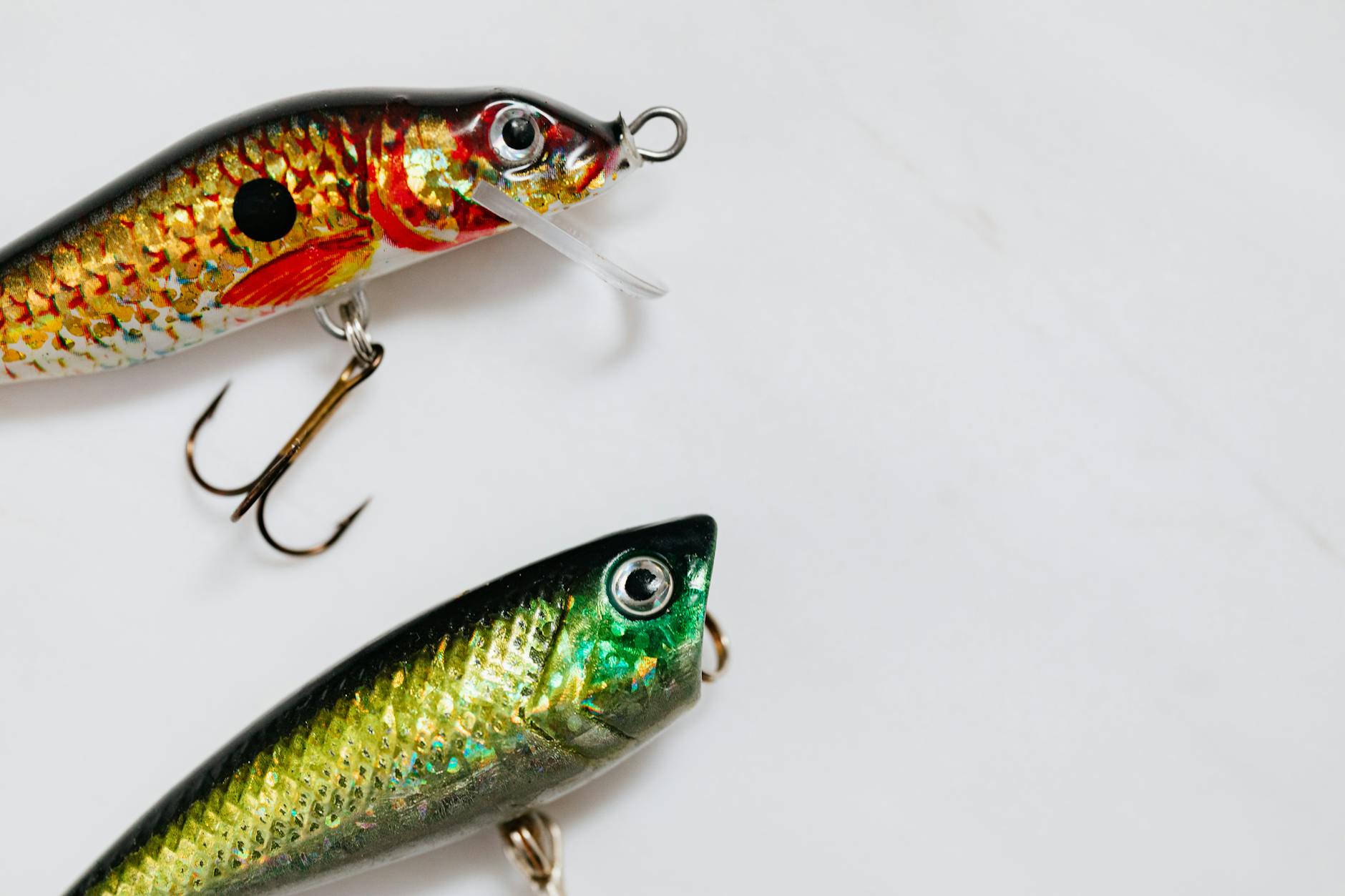
A hook in writing or other types of science communication content creation is a compelling opening sentence or paragraph designed to grab your reader’s attention and encourage them to keep listening or reading. Just like a fisherman might hook a fish using a lure, you want to “hook” your audience by throwing them something they can not only wrap their mind around but enjoy and look forward to more.
A science communication hook can be written or spoken. It can be the first few words of a radio ad or the first five seconds of glancing at a website. The most important thing about crafting a hook is that your hook gets your audience’s attention and makes them want to hear more about what you have to say. Crafting a hook is less about explaining to the reader why they should listen to your message and more about designing an intro that makes them want to hear more.
Any type of SciComm content can have a hook whether it is a scientific journal article or an Instagram reel. A hook can be anything — a compelling statement of a main point of your article, a quote, a fact, something happening in the news, or a personal example. Keep reading for 10 examples of hooks you can use.
10 Types of SciComm Hooks (With Examples and Tips)
The below hooks are just examples. Feel free to branch out with your own hooks and experiment to come up with what works for you! Even if you do not use one of these hooks directly, you can incorporate aspects of these hooks into your writing, however informal or formal. For example, in a scientific abstract, you may not be able to start by questioning the reader (Hook #1 here), but you can communicate your main point in a compelling way that entices readers to read your paper to find out more.
1. Question Hook
What it is:
Start with a thought-provoking question to engage the reader’s curiosity.
Example:
“Have you ever wondered what it would be like to travel through time?”
When to use:
Ideal for SciComm where you want to involve the reader from the start and communicate in an audience-centered fashion.
Best way to use:
Choose a question relevant to your topic and audience. Make sure it’s open-ended enough to spark interest.
2. Anecdote Hook
What it is:
Begin with a short, personal story or an interesting incident.
Example:
“When I was seven, I attempted to build a treehouse—and ended up with a pile of wood and a bruised ego.”
When to use:
Great in cases when you are communicating the impact of something complex, like a policy, or communicating to lawmakers and other non-scientists who are more relational and less fact-based in communication style than scientists.
Best way to use:
Keep it brief and relevant. Use vivid details to draw readers in.
3. Quotation Hook
What it is:
Start with a relevant quote from a famous person, book, or movie.
Example:
“‘To be yourself in a world that is constantly trying to make you something else is the greatest accomplishment.’ —Ralph Waldo Emerson”
When to use:
Suitable for academic essays, speeches, opinion pieces, or social media content. You don’t have to use a well-known quote; a quote from a news article or scientific article could suffice if it is short, engaging, and entices your audience.
Best way to use:
Pick a quote that ties directly to your main point or theme.
4. Statistics Hook
What it is:
Open with a statistic that surprises your audience. This can be in the form of a question that addresses your audience, but for more formal applications, it can be a simple statement.
Examples:
“Did you know that over 8 million tons of plastic ends up in the ocean each year?”
“Over 8 million tons of plastic — weighing roughly the same as 5.3 million cars — ends up in the ocean each year.”
When to use:
The statistics hook, as with the fact-based hook (#9 in this list), is versatile in formal settings, where addressing the audience directly may not be allowed. It can be used in research papers, articles, and persuasive writing.
Best way to use:
Use credible sources (and cite them) and ensure the fact is directly relevant.
5. Description Hook
What it is:
Paint a vivid picture with descriptive language.
Example:
“The sun dipped below the horizon, casting a golden glow over the silent, snow-covered fields.”
When to use:
Ideal for narrative writing, creative essays, or descriptive pieces. I see this type of hook a lot in short-form social media food content (also known as mukbangs) but they could work with any sensory modality.
Best way to use:
Engage the senses. Make the scene come alive for the reader through sensory details.
6. Rhetorical Question Hook
What it is:
Ask a question that doesn’t require an answer but makes the reader think.
Example:
“Isn’t it strange how the smallest decisions can change the course of our lives?”
When to use:
Great for reflective essays, speeches, or opinion pieces.
Best way to use:
Make the question relevant and thought-provoking.
7. Contradiction Hook
What it is:
Start with a surprising contradiction or paradox.
Example:
“In a world obsessed with speed, sometimes slowing down is the fastest way to get ahead.”
When to use:
Useful for opinion pieces, persuasive essays, or speeches. I could also see this type of hook doing well with social media content (if you need social media consulting services, hire us to help!).
Best way to use:
Highlight the contradiction clearly and relate it to your topic.
8. Mystery Hook
What it is:
Create intrigue or suspense at the beginning.
Example:
“She knew she wasn’t supposed to open the letter, but she couldn’t resist.”
When to use:
Perfect for fiction, creative nonfiction, or narrative essays. I could see this format working for both short-form and long-form social media content, though perhaps better suited for long-form since you do need to unpack the hook and it can take quite a while to resolve the suspense, narratively.
Best way to use:
Hint at something intriguing but don’t give everything away.
9. Fact Hook
What it is:
Start with an interesting or little-known fact.
Example:
“Bananas are berries, but strawberries aren’t—at least not according to botanists.”
When to use:
Great for informative articles, blog posts, or research papers. This is a perfect one for scientists and SciCommers who already think in a more facts-based way than most.
Best way to use:
Choose a fact that’s surprising and relevant to your topic.
10. Direct Address Hook
What it is:
Speak directly to the reader.
Example:
“You might not realize it, but your daily habits are shaping your future.”
When to use:
Ideal for content meant to persuade or motivate the reader to think or act a certain way.
Best way to use:
Use the word “you” to create a personal connection and engage the reader.
Final Tips
These hooks are meant as general guidelines and a starting point for you to craft your own hooks dependent on your content and goals. Make sure to match the hook to your audience and purpose and to keep the hook concise and relevant. Feel free to experiment with different types of hooks to see what works best for you. When possible, don’t hesitate to ask your audience for feedback! Lastly, check out more of Fancy Comma’s free SciComm tips and resources.
 Fancy Comma, LLC